welcome to pinyi leather

How to Choose an OEM Leather Goods Manufacturer
Learn how to choose an OEM leather goods manufacturer. Explore materials, customization, quality control, pricing, and production capabilities.
11/24/20266 min read


Finding a reliable OEM leather goods manufacturer is one of the most important decisions for businesses looking to develop their own product lines. Whether you are a distributor, an established brand, an online retailer, or a wholesale importer, the manufacturing partner you choose can directly influence product quality, profit margins, customer satisfaction, and long-term business growth.
However, choosing a factory is not simply about finding the lowest quotation.
A competitive manufacturing partner should understand your product requirements, provide practical customization solutions, maintain consistent production quality, and support your business as your orders grow.
So, what should you actually look for when selecting an OEM leather goods manufacturer?
This guide explores the key factors that professional buyers should consider before starting a manufacturing partnership.
1. Look Beyond the Product Catalog
Many manufacturers display similar products in their catalogs. You may find business portfolios, document organizers, notebooks, card binders, and other leather accessories from dozens of different suppliers.
But a product catalog only shows what a manufacturer has produced. It does not necessarily demonstrate how well the factory can develop your particular design.
Before choosing a supplier, consider whether the manufacturer can:
Develop products according to your specifications and reference samples.
Adjust dimensions, materials, colors, and internal structures.
Support different logo application methods.
Recommend suitable materials based on your target market and budget.
Translate design concepts into practical manufacturing solutions.
For B2B buyers, the ability to develop customized products is often more valuable than simply having a large selection of ready-made designs.
A manufacturer with practical OEM and ODM experience can help turn an initial concept into a product that is suitable for commercial production.
2. Understand the Manufacturer's Material Capabilities
Materials have a significant impact on the appearance, durability, cost, and positioning of leather goods.
A professional buyer should understand the available material options before confirming a product specification.
Common materials used in leather goods manufacturing include:
PU Leather
PU leather is widely used for business portfolios, notebooks, organizers, and various promotional accessories. It offers flexibility in color, texture, and surface finishes, making it suitable for brands looking for attractive products at competitive prices.
Genuine Leather
Genuine leather is suitable for premium product lines where natural texture, material character, and long-term appearance are important selling points.
Fabric and Textile Materials
Polyester, nylon, and other textile materials can be incorporated into products that require lightweight construction, printed graphics, or specific functional characteristics.
Mixed-Material Construction
Combining different materials can create more distinctive product designs. For example, a product may use a leather exterior with fabric lining, reinforced cardboard, or specialized internal components.
When evaluating a manufacturer, ask whether they can provide material samples, color references, and texture options.
It is also important to confirm that the materials used in mass production match the approved samples. Material consistency is essential when developing products for repeat orders.
3. Evaluate Customization and Branding Options
For private-label businesses, branding is not an optional detail. It is part of the product itself.
A suitable OEM manufacturer should offer different branding solutions depending on the material, design, and desired appearance.
Common customization methods include:
Debossed and embossed logos
Hot stamping with metallic or colored foil
Screen printing
UV printing
Customized fabric printing
Branded packaging and accessories
Each method creates a different visual effect and has different production requirements.
For example, debossing creates a subtle recessed logo, while foil stamping provides a more noticeable metallic finish. UV printing can be useful for designs that require more detailed graphics or multiple colors.
Before production, buyers should provide clear logo artwork and confirm the logo position, dimensions, color, and finishing method.
A professional manufacturer should also explain any limitations related to tooling, printing areas, or material surfaces before the order is confirmed.
This helps avoid unnecessary revisions and unexpected costs later in the process.
4. Pay Attention to Construction Details and Workmanship
Two products may look almost identical in photographs but perform very differently in actual use.
The difference often comes down to construction details.
When evaluating samples, pay attention to:
Stitching alignment and consistency
Edge finishing and surface treatment
Material bonding and lamination
Zipper quality and smooth operation
Reinforcement in high-stress areas
Interior pocket dimensions and functionality
Overall shape, structure, and dimensional accuracy
For products such as business portfolios and document organizers, the internal layout is just as important as the exterior appearance.
For trading card accessories, page attachment, pocket dimensions, zipper construction, and overall protection are important considerations.
These details influence how customers experience the finished product.
Buyers should evaluate samples based on both appearance and practical functionality rather than relying on photographs alone.
5. Ask About Sample Development Before Mass Production
Sample development is an important stage in any OEM project.
It allows buyers to verify the product's materials, dimensions, construction, branding, and overall appearance before committing to a larger production quantity.
A typical development process may include:
Receiving the buyer's drawings, reference images, or physical samples.
Reviewing technical specifications and material requirements.
Confirming the product structure and customization details.
Preparing a prototype or pre-production sample.
Reviewing the sample and making necessary adjustments.
Obtaining final approval before mass production.
For products with multiple customized components, it is important to confirm which details are included in the sample approval.
For example, a logo sample alone may not be sufficient if the final product also involves customized materials, interior layouts, or special packaging.
Clear communication during this stage can significantly reduce production risks.
6. Understand the Manufacturer's Quality Control Process
Quality control should not begin only when an order is finished.
It should be integrated throughout the manufacturing process.
A reliable manufacturer should pay attention to several production stages:
Incoming Material Inspection
Materials should be checked for color consistency, surface defects, thickness, and other relevant specifications before production begins.
In-Process Inspection
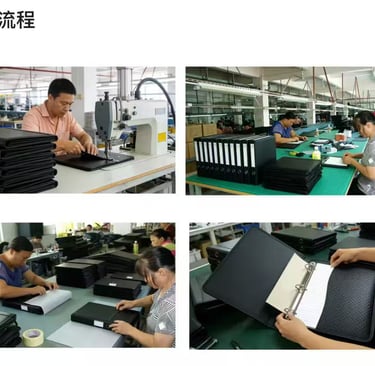
During manufacturing, workers and quality control personnel should monitor cutting, stitching, bonding, printing, and assembly.
Finished Product Inspection
Completed products should be checked for appearance, dimensions, workmanship, functionality, and consistency with the approved sample.
Packing Inspection
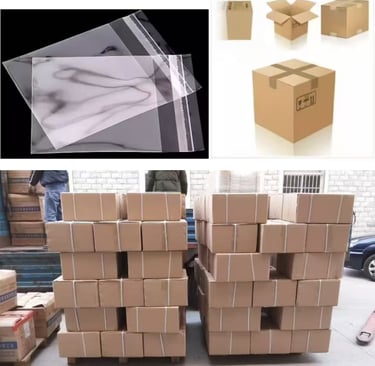
Before shipment, products should be counted, properly packed, and checked to reduce the risk of damage during transportation.
For international buyers, quality consistency is especially important because products may travel thousands of kilometers before reaching the final customer.
A manufacturing partner should understand that quality is not just about producing one good sample. It is about maintaining a consistent standard across the entire order.
7. Compare Quotations Based on the Same Specifications
Price is naturally an important factor in supplier selection, but comparing quotations without checking the specifications can lead to misleading conclusions.
A lower quotation may be based on thinner materials, simpler construction, different accessories, or fewer customization processes.
Before comparing prices, make sure each supplier is quoting according to the same requirements.
Your quotation checklist should include:
Product dimensions and structure
Material type and thickness
Interior components and accessories
Logo application method
Packaging requirements
Order quantity
Sample and tooling costs
Production lead time
Shipping terms and destination
It is also worth discussing how unit prices may change at different order quantities.
A manufacturer should be able to explain the cost structure and identify which specifications have the greatest impact on the final price.
This allows buyers to make informed decisions instead of simply choosing the lowest number.
8. Consider Production Flexibility and Long-Term Cooperation
A good manufacturing partnership should support your business beyond the first order.
Many distributors and online sellers begin with a relatively small quantity to test a product in their market. Once demand becomes more predictable, they may increase order quantities or introduce additional product variations.
This makes production flexibility an important consideration.
When evaluating a factory, discuss:
Minimum order quantities for different products
Whether multiple colors can be included in one order
The feasibility of different logo designs
Repeat-order material consistency
Production capacity and lead times
Communication and technical support
Not every customization option is suitable for every order quantity. For example, special printing, customized molds, or non-standard materials may involve additional setup costs.
An experienced manufacturer should explain these requirements clearly and help buyers find a practical balance between customization, quantity, and budget.
9. Communication Is Part of Manufacturing Quality
Even a factory with good production equipment can become a difficult business partner if communication is unclear.
International OEM projects often involve multiple rounds of discussion about drawings, samples, materials, packaging, and delivery arrangements.
A professional supplier should be able to:
Respond clearly to technical questions.
Identify potential problems before production.
Confirm specifications in writing.
Provide progress updates when necessary.
Communicate changes that may affect cost or delivery.
Maintain clear records of approved samples and order details.
Good communication reduces misunderstandings and makes the entire purchasing process more predictable.
For overseas buyers, working with a manufacturer that understands international business requirements can make a substantial difference.
10. Choose a Manufacturing Partner That Understands Your Market
Different customers have different expectations.
A promotional product distributor may prioritize competitive pricing and reliable delivery. A premium brand may focus more on materials, finishing, and packaging. An online retailer may need flexible product variations and consistent quality for customer reviews.
Your manufacturing partner should understand the market you are targeting.
At Pinyi, we focus on OEM and ODM manufacturing solutions for international B2B customers.
Our product range includes:
Custom business portfolios and document organizers
PU leather notebooks and journals
Trading card binders and albums
Card sleeves and related accessories
Deck boxes and card storage solutions
Customized leather goods for private-label projects
We work with customers to discuss product specifications, material options, logo applications, and manufacturing requirements.
Whether you are developing a new product or looking for a manufacturing partner for an existing product line, our goal is to provide practical production solutions based on your business requirements.
Final Thoughts: Choose Value, Not Just the Lowest Price
Selecting the right OEM leather goods manufacturer requires more than comparing product photos and unit prices.
You need to evaluate material capabilities, customization options, sample development, construction quality, production management, and communication.
The right partner should understand your expectations and be able to translate them into products that meet your market requirements.
A successful manufacturing relationship is built on clear specifications, consistent quality, realistic pricing, and reliable cooperation.
If you are planning to develop your own leather goods or expand your existing product range, choosing the right manufacturing partner is a valuable first step.
Looking for an OEM and ODM leather goods manufacturer?
Contact Pinyi to discuss your product ideas, customization requirements, and manufacturing project. We welcome inquiries from distributors, wholesalers, brands, and online retailers worldwide.





Address:
No. 76, Xinfeng Lane, Xinnan Village,Qishi Town, Dongguan City,Guangdong Province, China
Contact:
Newsletter:
Emali: zhang@pinyileather.com
phone number: +8613423453627
© 2024. All rights reserved.
WhatsApp: +8613686057557
Wechat:Z1429643430