welcome to pinyi leather

Custom TCG Binder Design Ideas for Collectibles Brands
Explore custom TCG binder design ideas, including materials, colors, branding, interior layouts and functional features for collectible card brands and retailers.
11/17/20265 min read


The trading card market continues to expand, with collectors looking for more than just a place to store their favorite cards. They want products that reflect their personal style, protect valuable collections, and offer a better collecting experience.
For TCG brands, distributors, and online retailers, this creates an opportunity to develop products that stand out from standard card storage solutions.
A well-designed trading card binder can become more than an accessory. It can be an important part of a brand's product identity.
In this article, we explore the key design considerations behind custom TCG binders and how businesses can develop products that appeal to today's collectors.
1. Why Product Differentiation Matters in the TCG Market
The trading card accessories market is highly competitive. Many retailers offer similar binders with comparable capacities and basic functions.
When customers see several products with similar specifications, their purchasing decisions are often influenced by appearance, usability, and perceived quality.
For businesses, simply offering another standard binder may not be enough.
A differentiated product can help brands:
Build a recognizable product identity.
Attract collectors with specific preferences.
Create a more consistent product range.
Improve perceived product value.
Develop opportunities for repeat purchases.
Instead of competing only on price, businesses can focus on product details that create a better overall experience.
2. Exterior Design: Creating a Recognizable Product Identity
The exterior is usually the first thing customers notice when looking at a card binder.
Material, color, texture, and finishing techniques all contribute to the product's appearance.
Material selection
PU leather is a popular option for custom card binders because it offers a wide range of textures and colors while maintaining a clean, professional appearance.
Different surface finishes can create different styles, including:
Smooth leather-like finishes for a minimalist appearance.
Textured surfaces for a more distinctive feel.
Fine-grain finishes for a refined look.
Special color combinations for themed collections.
For brands targeting different customer groups, offering several exterior styles can help create a more diverse product range.
Logo and branding options
Branding is another important part of product development.
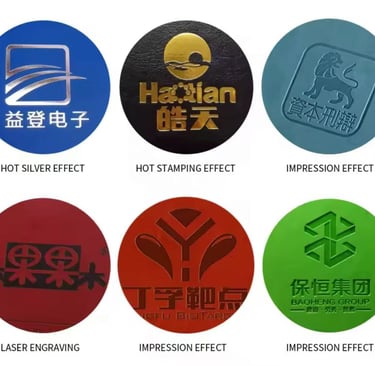
Common customization techniques include:
Embossed logos.
Debossed logos.
Hot foil stamping.
Printed logos.
Custom logo placement.
The right branding method depends on the material, logo design, and desired appearance.
A carefully positioned logo can make a product recognizable without making the overall design look crowded.
3. Interior Layout: Designing for Different Collecting Habits
The inside structure of a binder directly affects how collectors organize and display their cards.
Different collectors have different storage preferences, so businesses should consider the intended application before deciding on an interior layout.
For example, 9-pocket layouts are widely used for organizing standard trading cards, while 12-pocket layouts provide additional storage space and suit collectors who prefer larger collections.
Other considerations include:
Pocket dimensions and card compatibility.
Side-loading or top-loading pocket structures.
Page transparency.
Sheet flexibility.
Stitching and edge finishing.
The number of pages included in each binder.
The interior should be designed around practical use rather than capacity alone.
For example, a binder intended for competitive TCG players may need a different layout from one designed for casual collectors or long-term collection display.
4. Color Customization: Building a More Attractive Product Range
Color is one of the easiest ways for a brand to create product variations.
Instead of offering only traditional black binders, businesses can explore different color combinations to match their brand identity or target market.
Some possible directions include:
Black exterior with contrasting interior colors.
Dark blue or burgundy for a premium appearance.
Bright colors for younger collector groups.
Neutral tones for minimalist product collections.
Special color combinations for limited-edition releases.
Interior page colors can also influence the overall appearance of a binder.
When planning color customization, businesses should confirm material availability, color consistency, and minimum production quantities with their manufacturing partner.
Planning these details early helps avoid unnecessary changes during production.
5. Functional Details That Improve the Collecting Experience
Good design is not only about appearance. Small functional details can make a significant difference in everyday use.
When developing a custom binder, consider the following features:
Zipper closure
A zipper helps keep the binder closed during transportation and storage. It also creates a more complete appearance compared with an open-style design.
Elastic strap
An elastic closure is another practical option for keeping the binder securely closed.
Reinforced edges
Well-finished edges help improve the overall appearance and durability of the product.
Page protection
Transparent pocket sheets allow collectors to view their cards while keeping them separated from direct handling.
Comfortable handling
The binder should be easy to open, close, carry, and organize.
These details may seem small, but together they contribute to the perceived quality of the finished product.
6. Matching Binder Designs with Different Target Customers
Not every trading card accessory needs to target the same customer group.
Understanding the intended market can help businesses make better product development decisions.
For online retailers
Online sellers often need products that are visually attractive in product listings. Distinctive colors, clear branding, and practical features can help improve product presentation.
For TCG distributors
Distributors may prefer a consistent range of products with several sizes, colors, and configurations. Stable specifications and reliable production are important for repeat orders.
For private-label brands
Brands developing their own product lines may require customized exterior materials, logo applications, interior configurations, and packaging.
For collectible stores
Specialty stores may prefer products that complement their existing range of sleeves, deck boxes, storage boxes, and other card accessories.
By identifying the target customer first, businesses can avoid unnecessary customization and focus on features that actually matter.
7. From Design Concept to Production: What Businesses Should Prepare
A successful custom binder project starts with clear product specifications.
Before requesting a quotation, buyers should prepare as much information as possible.
Useful details include:
Reference pictures or design drawings.
Required binder capacity.
Pocket configuration.
Exterior material and color.
Interior page requirements.
Logo artwork and finishing method.
Estimated order quantity.
Packaging requirements.
If the product involves several customized features, it is advisable to develop a pre-production sample before moving forward with bulk manufacturing.
Samples allow buyers to evaluate the actual material, logo appearance, construction, pocket quality, and overall dimensions.
Any adjustments can then be discussed before mass production begins.
8. Choosing a Manufacturing Partner for Custom Card Accessories
The manufacturing partner plays an important role in turning a product idea into a finished item.
For businesses developing their own TCG accessories, it is worth evaluating more than just the initial quotation.
Consider the following factors:
Customization capabilities: Can the manufacturer support different materials, colors, logo techniques, and product structures?
Sample development: Can samples be produced according to specific design requirements?
Production consistency: Can the manufacturer maintain consistent specifications across repeat orders?
Communication: Can technical details and design adjustments be discussed clearly?
OEM and ODM support: Can the manufacturer work with existing designs or help develop new product concepts?
A reliable manufacturing relationship can make future product development and repeat purchasing much easier.
Conclusion: Turn a Standard Binder into a Branded Product
The trading card accessories market offers opportunities for businesses willing to look beyond standard products.
Exterior materials, interior configurations, color combinations, branding, and functional details can all contribute to a more distinctive product.
For TCG brands, wholesalers, distributors, and online sellers, developing a customized binder is an opportunity to create a product that better reflects their market positioning.
At Pinyi, we provide OEM and ODM manufacturing solutions for customized trading card binders and other leather goods. From exterior material selection and logo application to product specifications and sample development, we work with business customers to bring their product ideas into production.
Looking to develop your own trading card binder collection?
Contact our team to discuss your customization requirements and explore manufacturing possibilities.




Address:
No. 76, Xinfeng Lane, Xinnan Village,Qishi Town, Dongguan City,Guangdong Province, China
Contact:
Newsletter:
Emali: zhang@pinyileather.com
phone number: +8613423453627
© 2024. All rights reserved.
WhatsApp: +8613686057557
Wechat:Z1429643430