welcome to pinyi leather

How to Choose the Right Trading Card Binder for Your TCG Business
Learn how to choose the right trading card binder for your TCG business, including card capacity, pocket configuration, materials, protection, customization, and quality.
8/12/20265 min read
For TCG brands, card shops, distributors, and online sellers, choosing the right trading card binder is more than simply selecting a product that looks good. A good card binder needs to protect valuable cards, provide a convenient storage solution, match your brand positioning, and remain cost-effective for bulk purchasing.
With many different sizes, materials, pocket configurations, and customization options available, it can be difficult to know which trading card binder is the right choice for your business.
This guide explains the key factors to consider when sourcing trading card binders for your TCG business.
1. Choose the Right Card Capacity
The first thing to consider is how many cards the binder needs to hold.
Common trading card binder capacities include:
360-card binders
480-card binders
624-card binders
1088-card binders
The right capacity depends on how your customers use the product.
For casual collectors, a compact 360-card or 480-card binder may be sufficient. For serious collectors and retailers, larger-capacity binders can provide better value and more storage space.
When developing a product for your own brand, it is also worth considering whether customers prefer a compact premium product or a larger storage-focused binder.
2. 9-Pocket vs. 12-Pocket Binders
Pocket configuration has a significant impact on the user experience.
9-Pocket Trading Card Binders
9-pocket pages are one of the most popular formats for TCG collectors. They provide a clear three-by-three card layout, making it easy to organize collections and display individual cards.
They are particularly suitable for:
Pokémon cards
Magic: The Gathering cards
Yu-Gi-Oh! cards
Sports trading cards
Collectible card games
12-Pocket Trading Card Binders
12-pocket pages provide more storage capacity on each page and are a good option for collectors who want to maximize storage efficiency.
For brands targeting experienced collectors, a 12-pocket binder can also be positioned as a higher-capacity or premium storage solution.
3. Consider the Binder Material
The material directly affects the appearance, durability, cost, and positioning of your product.
Popular materials include:
PU Leather
PU leather is widely used for premium-looking trading card binders because it provides a leather-like appearance while keeping production costs competitive.
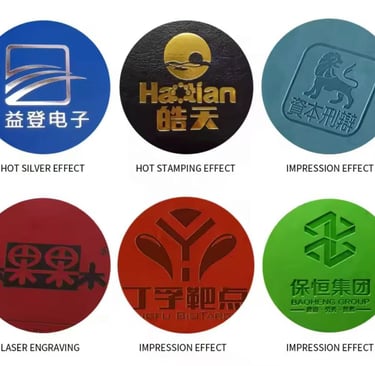
It also offers plenty of options for customization, including:
Logo embossing
Debossing
Foil stamping
UV printing
Custom colors
Custom textures
Fabric and Other Synthetic Materials
Fabric and synthetic materials can be suitable for lightweight or budget-oriented card binders.
The best material depends on your target price, brand positioning, and expected retail market.
4. Pay Attention to Card Protection
A trading card binder should not only look attractive. Its primary function is to protect cards.
When evaluating a binder, consider:
Page material
Pocket size
Pocket sealing
Zipper quality
Stitching quality
Binder structure
Card movement inside the pocket
For high-value trading cards, collectors are especially concerned about dust, scratches, bending, and cards accidentally falling out.
A zipper closure can provide an additional layer of protection compared with an open binder design.
5. Zipper Quality Matters
The zipper is one of the most frequently used components of a card binder, so it should not be overlooked.
A low-quality zipper can affect the overall user experience even when the rest of the binder is well made.
For bulk buyers, it is important to check:
Zipper smoothness
Stitching around the zipper
Zipper pull durability
Alignment
Long-term opening and closing performance
This is one reason why requesting a production sample before placing a large order is highly recommended.
6. Customization Options for TCG Brands
If you are purchasing trading card binders for your own brand, customization can make a major difference.
Depending on the product, manufacturers may offer:
Custom logo
Custom colors
Embossed logos
Debossed logos
Foil stamping
UV printing
Custom zipper pulls
Custom inner pages
Custom packaging
Custom labels
For established TCG brands, a customized binder can become part of the brand's product line rather than simply another generic accessory.
For example, changing the color of the inner pages can create a distinctive visual identity. Instead of using the standard black pages commonly found on the market, brands can develop alternative colors to match their packaging or brand style.
7. Don't Focus Only on the Lowest Price
Price is important when sourcing products, but the lowest unit price does not necessarily mean the lowest total cost.
A cheap binder may have problems such as:
Weak stitching
Poor zipper performance
Thin materials
Low-quality card pages
Inconsistent production
Poor packaging
These problems can result in customer complaints, returns, and additional logistics costs.
For B2B buyers, the better approach is to compare the complete product specification, quality, customization capability, MOQ, production time, and supplier reliability.
8. Ask for a Sample Before Bulk Production
A product sample allows you to evaluate the actual product instead of relying only on photos or specifications.
Before placing a bulk order, check:
Material quality
Stitching
Zipper performance
Card pocket size
Page thickness
Logo quality
Overall appearance
Packaging
If you are developing a new product, you can also use the sample to identify improvements before mass production.
9. Work With a Manufacturer That Supports OEM & ODM
For TCG brands and distributors, working directly with a manufacturer can provide more flexibility than purchasing standard products from a trading company.
An experienced OEM/ODM manufacturer can help with:
Product development
Material selection
Custom dimensions
Logo customization
Color development
Packaging
Sample production
Bulk manufacturing
This is especially useful when your goal is to build a differentiated product rather than compete only on price.
10. Choose a Binder Based on Your Business Positioning
There is no single "best" trading card binder for every business.
A suitable product should match your target customers and selling price.
For example:
Budget product:
Simple materials, standard colors, basic packaging, competitive unit cost.
Mid-range product:
PU leather, zipper closure, better card pages, customized logo and packaging.
Premium product:
Higher-grade materials, detailed finishing, custom colors, premium packaging, and a stronger focus on collector experience.
The right combination can help your product stand out in an increasingly competitive TCG accessories market.
Final Thoughts
Choosing a trading card binder for your business requires more than comparing prices.
Capacity, pocket configuration, material, protection, zipper quality, customization, packaging, and manufacturing capability all influence the final product.
For TCG brands, distributors, card shops, and online sellers, developing the right specification before mass production can help reduce costs and create a product that customers are more likely to purchase again.
If you are looking for a custom trading card binder for your TCG business, an experienced OEM/ODM manufacturer can help you turn your product concept into a finished product.
Looking for a custom trading card binder? Contact us to discuss your requirements, specifications, and target quantity.






Address:
No. 76, Xinfeng Lane, Xinnan Village,Qishi Town, Dongguan City,Guangdong Province, China
Contact:
Newsletter:
Emali: zhang@pinyileather.com
phone number: +8613423453627
© 2024. All rights reserved.
WhatsApp: +8613686057557
Wechat:Z1429643430