welcome to pinyi leather

Material Approval Guide for Custom Leather Goods
Learn why material color, texture, thickness and logo testing should be approved before custom leather goods production for B2B orders.
9/29/20264 min read

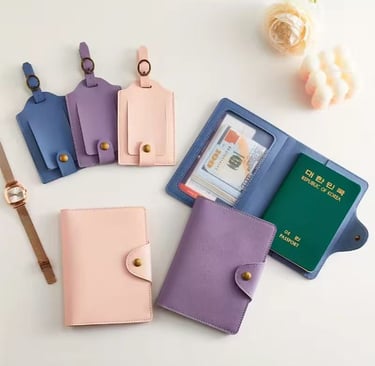
When purchasing custom leather goods from an overseas manufacturer, buyers often focus first on the product design, logo, size, and quotation. However, one of the most important steps is sometimes overlooked: material approval before mass production.
A product can look perfect in a digital image but appear quite different when the actual material is received. Leather texture, color, surface finish, thickness, and even the feel of the material can affect the final appearance of a customized product.
For distributors, retailers, and online sellers, confirming these details before production can help reduce misunderstandings and avoid unnecessary production risks.
Why Product Photos Are Not Always Enough
Digital product images are useful during the early development stage, but they cannot always show the actual characteristics of a material.
For example, the same brown leather can look different depending on:
Lighting conditions
Camera settings
Screen calibration
Surface texture
Leather finishing
Material thickness
Natural color variation
This is especially important for products such as custom folders, notebooks, card albums, organizers, and other leather goods where the exterior material is a major part of the product appearance.
A buyer may approve a color from a screen and later discover that the physical material has a warmer, cooler, darker, or lighter appearance.
That is why a physical material sample can be more useful than relying only on product photographs.
What Should Be Confirmed Before Production?
A professional approval process should cover more than just color.
1. Material Color
Color is usually the first thing buyers check.
Instead of simply saying “black,” “brown,” or “blue,” buyers can select a specific material from a physical color card or approved sample.
This creates a clear reference for both the buyer and manufacturer.
For private label leather goods, having an approved physical color reference can also make future repeat orders easier to manage.
2. Surface Texture
Two materials can have the same color but completely different appearances because of their surface texture.
Common differences include:
Smooth surfaces
Fine grain
Large grain
Embossed textures
Matte finishes
Glossy finishes
For a business folder or card album, the texture can significantly change how the finished product looks and feels.
3. Material Thickness
Thickness can influence both appearance and product structure.
A thicker material may create a more substantial feeling, while a thinner material can help reduce weight and material cost.
For products with folding sections, pockets, zippers, or multiple layers, the material thickness should be considered together with the overall construction.
4. Logo Application
The logo should also be tested on the selected material.
Depending on the material and design, manufacturers may use processes such as:
Embossing
Debossing
Foil stamping
Screen printing
UV printing
The same logo may produce different visual results on smooth and textured materials.
For this reason, approving the logo directly on the intended material is often more reliable than approving it on a computer mockup.
Why Sample Approval Helps B2B Buyers
For B2B buyers, a physical approval process can make communication much clearer.
Instead of describing a material through messages such as “slightly darker brown” or “a little softer,” both sides can refer to the same approved sample.
This is particularly useful when a project involves several product specifications.
For example, a buyer may need to confirm:
Material → Color → Texture → Logo → Hardware → Construction → Final Sample
Once these details are confirmed, the manufacturer has a clearer production reference.
This can be especially valuable for buyers who plan to reorder the same product later.
A Practical Approval Process for Custom Leather Goods
A simple approval workflow can help reduce unnecessary revisions.
Step 1: Discuss the Product Requirements
Start with the basic specifications, including product dimensions, intended use, quantity, target market, and preferred material.
Step 2: Review Available Materials
The manufacturer can provide suitable material options according to the product requirements.
Instead of choosing from hundreds of random materials, buyers can narrow the selection based on price, appearance, durability, and intended positioning.
Step 3: Confirm Color and Texture
The buyer selects the preferred color and surface texture from physical samples or approved material references.
Step 4: Test the Branding
The logo can then be tested using the selected production method.
This allows the buyer to see how the branding actually looks on the material.
Step 5: Approve the Pre-Production Sample
Before starting the main order, the final sample should be checked for dimensions, material, color, logo placement, construction, and other important details.
Once approved, the sample becomes a useful reference for mass production.
Why This Matters for Repeat Orders
Material approval is not only useful for the first order.
For distributors and online sellers, maintaining consistent product appearance across multiple orders is equally important.
A product sold under the same brand should ideally maintain a similar color, texture, logo treatment, and overall appearance.
Keeping an approved sample or detailed production reference can make future communication more efficient.
This becomes particularly useful when a retailer expands a product range and wants several products to have a similar visual style.
Good Communication Can Reduce Production Problems
Many production problems are not caused by manufacturing technology itself. They can happen because the buyer and manufacturer have different interpretations of the same specification.
For example, “dark green” can mean different things to different people.
A physical material reference creates a much more precise starting point.
For international B2B orders, where communication often happens remotely, this type of detail becomes even more important.
A clear approval process can help both sides understand exactly what is expected before production begins.
More Than a Sample: A Production Reference
A material sample should not simply be treated as something to look at.
For custom manufacturing, it can become part of the production reference.
The approved material, logo treatment, dimensions, and construction can all be documented before mass production starts.
This gives the buyer a clearer basis for checking the finished goods and gives the manufacturer a more precise production target.
For companies purchasing customized leather goods regularly, this approach can make product development and repeat purchasing more organized.
Final Thoughts
For custom leather goods, the final appearance depends on many details that cannot always be communicated through photographs or text alone.
Material color, texture, thickness, logo application, and construction should be considered together before mass production.
For B2B buyers, taking time to approve these details can make the development process clearer and provide a reliable reference for future orders.
Whether you are developing custom business folders, leather notebooks, card albums, document organizers, or other private label products, a clear material approval process can help turn an idea into a more consistent finished product.
If you are developing a new custom leather goods project, working with a manufacturer that can provide material options, pre-production samples, and OEM/ODM support can make the development process easier to manage.
Address:
No. 76, Xinfeng Lane, Xinnan Village,Qishi Town, Dongguan City,Guangdong Province, China
Contact:
Newsletter:
Emali: zhang@pinyileather.com
phone number: +8613423453627
© 2024. All rights reserved.
WhatsApp: +8613686057557
Wechat:Z1429643430